A digital adoption platform (DAP) is software that helps people learn and use digital tools effectively by providing guidance while they work. DAPs typically sit on top of software applications to deliver in-app instructions, walkthroughs, and other contextual support that guides users through processes.
Instead of asking employees to memorize a process or leave their work to search for an answer, a DAP provides support when and where they need it.
How does a digital adoption platform work?
Digital adoption platforms add a layer of guidance on top of the software people already use. As someone moves through a process, the DAP provides contextual instructions based on where they are and what they're trying to do. Depending on the platform, that guidance might include interactive walkthroughs, on-screen prompts, hints, simulations, or step-by-step instructions.
The key difference from traditional software training is when and where support is available.
Traditional training often separates learning from doing. An employee might attend a training session, watch a video, or read documentation, then be expected to remember those instructions when it's time to complete the task.
With a DAP, learning and doing happen together. Employees can get guidance as they complete the process instead of relying on what they learned beforehand.
What are digital adoption platforms used for?
Organizations use digital adoption platforms to help people learn new software, navigate change, and consistently follow processes across the tools they use.
Common DAP use cases include:
- Employee onboarding: Help new hires learn the tools and processes they'll use in their roles.
- Software implementation: Guide employees through unfamiliar workflows when a new application is introduced.
- Process adoption: Reinforce the correct way to complete important or frequently changing workflows.
- Change management: Give employees contextual support when software, policies, or processes change.
- Ongoing software training: Reinforce software knowledge as employees learn new features, tasks, and workflows.
- Customer onboarding: Help customers learn how to navigate and get value from a software product.
What are the benefits of a digital adoption platform?
Digital adoption platforms help organizations improve how quickly and consistently people learn new tools, complete processes, and adapt to change.
Key benefits include:
- Faster ramp time: Help employees get up to speed on unfamiliar tools and processes.
- Fewer workflow errors: Provide guidance as employees complete important or complex tasks.
- Fewer support requests: Give employees access to answers without relying on a manager or support team.
- Easier change adoption: Support employees as new software, workflows, and processes are introduced.
- Greater consistency: Help teams follow processes the same way across the organization.
- Higher software adoption: Make it easier for employees to use the tools the organization has invested in.
- Greater software ROI: Help organizations get more value from their technology investments.
What are the key features of a digital adoption platform?
Digital adoption platforms typically combine in-app guidance, content creation, and analytics capabilities.
Common DAP features include:
- In-app guidance: Deliver instructions directly inside the software where users are completing a task.
- Interactive walkthroughs: Guide users through workflows step by step.
- Contextual support: Surface relevant information based on where users are and what they're trying to do.
- Content creation: Enable teams to create and manage guidance for important software processes.
- Analytics: Give teams visibility into how users engage with guidance and where they may need additional support.
The specific features and capabilities vary by platform and use case.
What role does digital adoption play in digital transformation?
Digital transformation involves changing how an organization works through technology, but introducing new tools alone doesn't create that change. Employees also need to use the technology consistently and follow the processes it supports.
For example, implementing a new CRM might be part of a company's digital transformation strategy. But the investment only delivers value if sales reps use the CRM consistently and follow the right processes.
Digital adoption helps close the gap between introducing new technology and successfully putting it to work.
What are the limitations of traditional digital adoption platforms?
Traditional digital adoption platforms can provide powerful in-app guidance, but creating and maintaining that experience can require significant work behind the scenes.
Common challenges include:
- Complex content creation: Building and updating walkthroughs can be time-consuming.
- Technical requirements: Implementation and maintenance may require IT or specialized expertise.
- App-by-app configuration: Guidance may need to be configured separately for each application.
- Ongoing maintenance: Changes to software and processes can require guidance to be updated.
- Cross-application limitations: Supporting processes that span multiple tools can be difficult.
- Disconnected knowledge: Guidance may not integrate easily with existing knowledge and training systems.
As organizations adopt more software and processes continue to change, these requirements can make it difficult to create and maintain enough guidance to support employees at scale.
What is a modern digital adoption platform?
A modern digital adoption platform builds on traditional in-app guidance by making that guidance easier to create, maintain, and scale.
Modern DAP capabilities may include:
- Faster content creation: Capture processes as they're performed instead of manually building every step.
- No-code creation: Enable subject matter experts to create and update guidance without specialized technical expertise.
- Cross-application guidance: Support processes that span multiple tools and applications.
- Knowledge integrations: Connect guidance with the knowledge and training systems an organization already uses.
- Process adoption analytics: Give teams visibility into how people engage with guidance and where they encounter friction.
These capabilities make it easier to extend digital adoption across more applications and processes without adding the same level of content creation and maintenance.
How does Tango support digital adoption?
Tango helps teams turn process knowledge into guidance employees can use while they work.
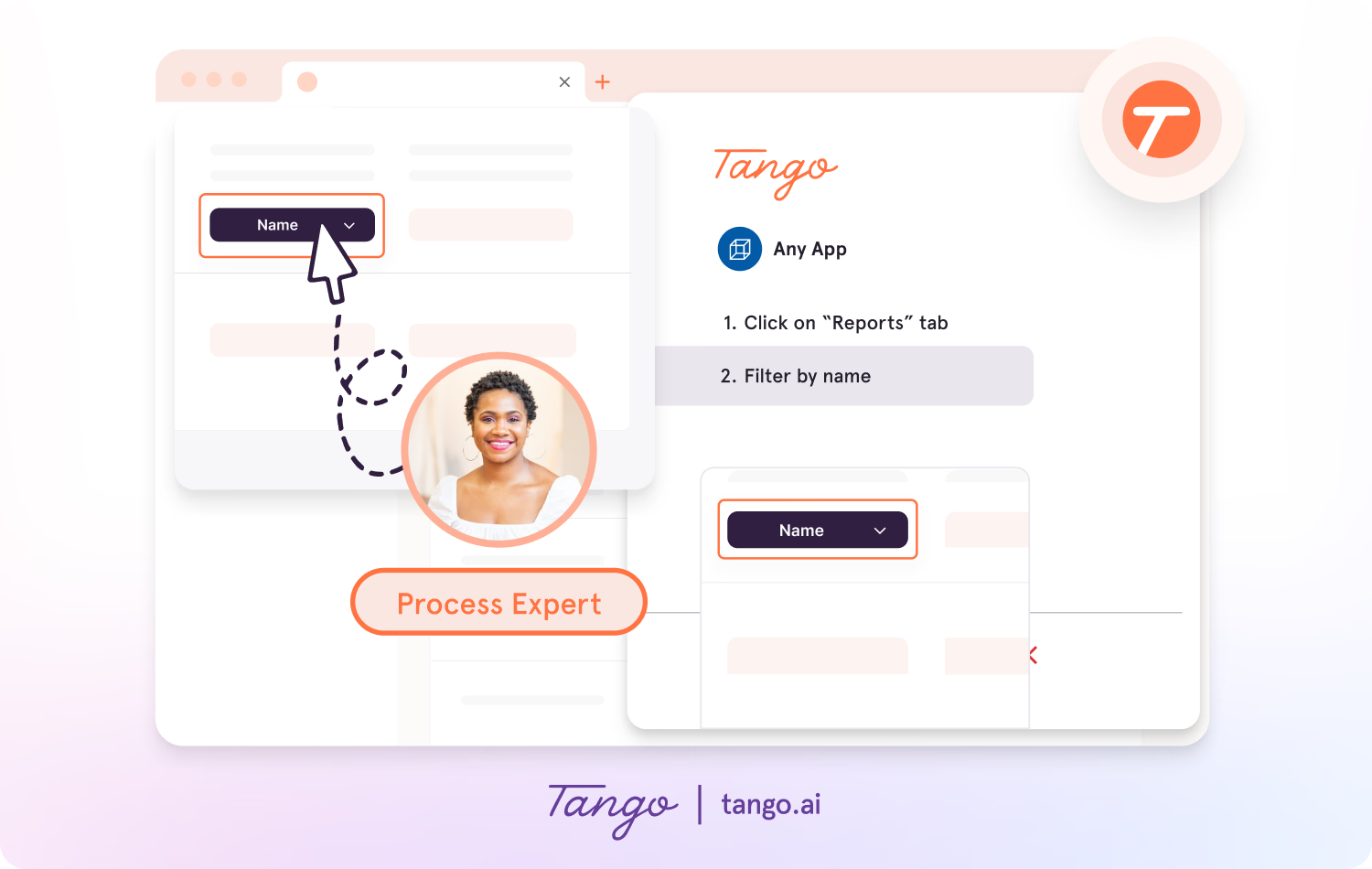
Capture processes as they happen
With Tango's Click-to-Create, teams can document processes as they work. Click through a workflow and instantly generate a step-by-step guide with screenshots, annotations, descriptions, and links.
Guide employees through processes
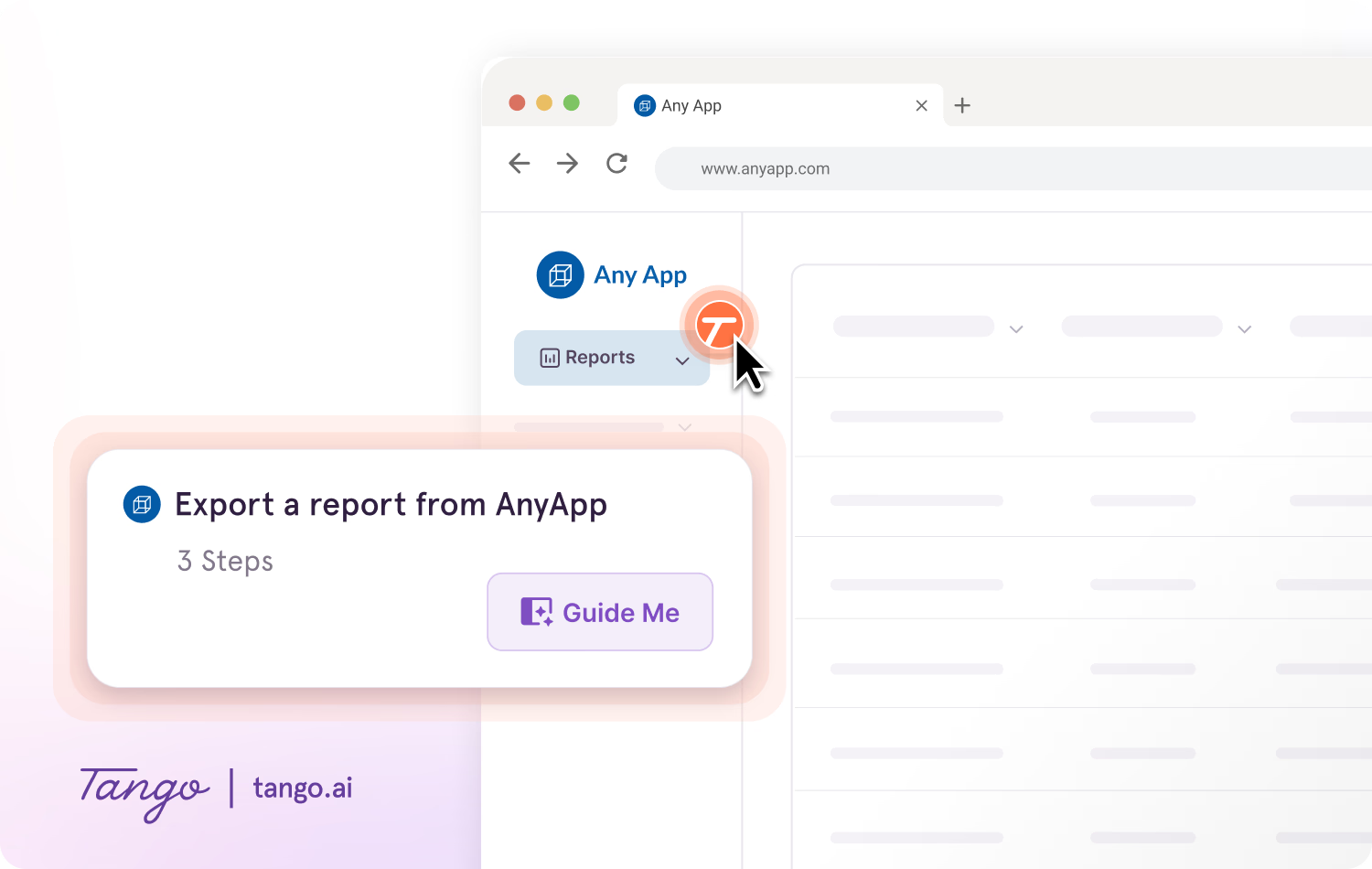
With Guide Me, documentation becomes instantly followable right inside the tools where work happens.
Give employees step-by-step guidance without switching tabs. Guide Me shows users exactly where to click so they can follow processes across applications.
Deliver guidance where employees need it
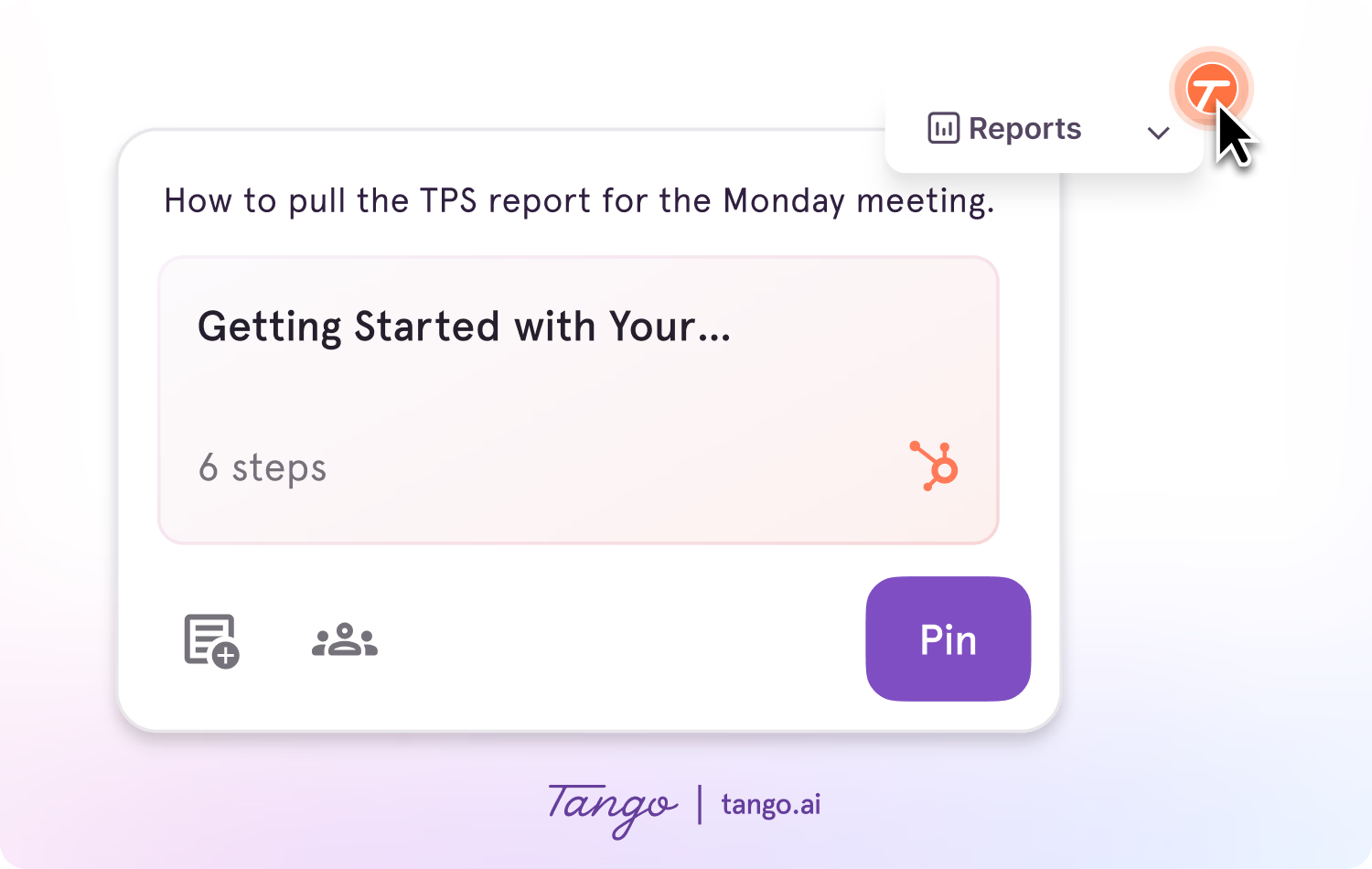
Pin guides, tips, reminders, or links as Nuggets at any point in a process where employees may need help.
Employees get the information they need in the flow of work without searching through a knowledge base or leaving the tools they're using.
Measure process adoption
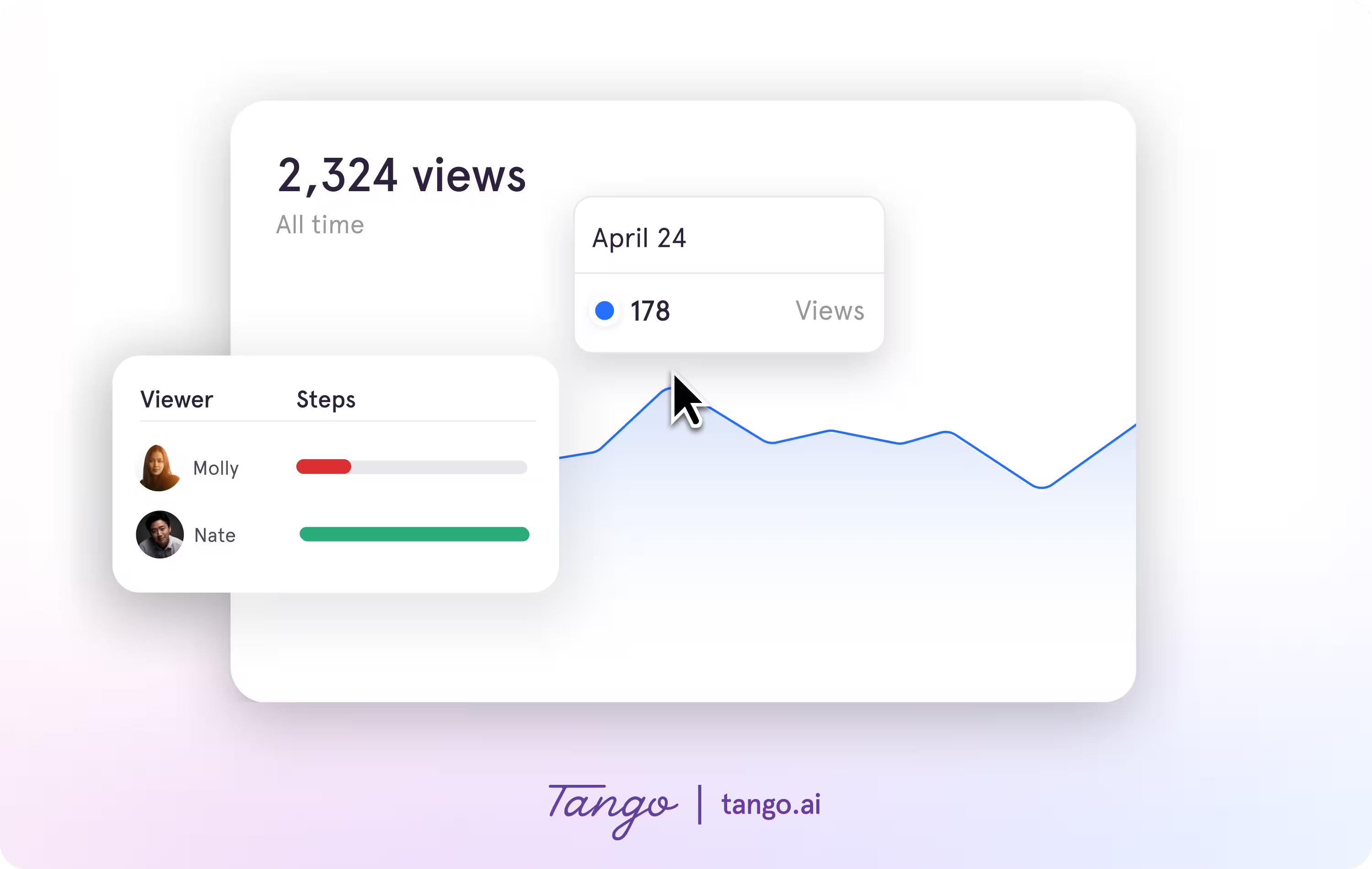
Tango Analytics show how employees engage with guided processes, including where they progress and where they drop off.
See where employees get stuck and use those insights to improve guidance and provide more targeted support.
See how Tango compares to traditional digital adoption platforms →
Make digital adoption easier with Tango
Help employees confidently follow the processes your business depends on.
Frequently asked questions
What is the difference between a digital adoption platform and an LMS?
A digital adoption platform provides guidance while people use software, while a learning management system (LMS) delivers structured training such as courses, lessons, and assessments. Organizations may use both to support learning before and during work.
What is the difference between a digital adoption platform and a knowledge base?
A knowledge base gives people a place to find and reference information, while a digital adoption platform provides guidance as people complete tasks in software. Organizations may use both to make knowledge easier to access and apply.
How do you measure digital adoption?
Digital adoption can be measured by how effectively people use software and complete the processes it supports. Common metrics include feature usage, workflow completion, errors, support requests, and engagement with in-app guidance.
How do you choose a digital adoption platform?
Choose a DAP based on the users, applications, and processes you need to support. Consider how easy it is to create and maintain guidance, whether it supports workflows across applications, how it integrates with your existing systems, and what analytics and implementation resources it provides.
How long does it take to implement a digital adoption platform?
Implementation time varies based on the platform, number of applications and processes, level of configuration required, and amount of guidance that needs to be created.