The best alternative to Haiku for process documentation



Tango vs Haiku
From creating documentation to driving adoption. Here's how the two platforms compare.


Help people follow processes, not just document them.
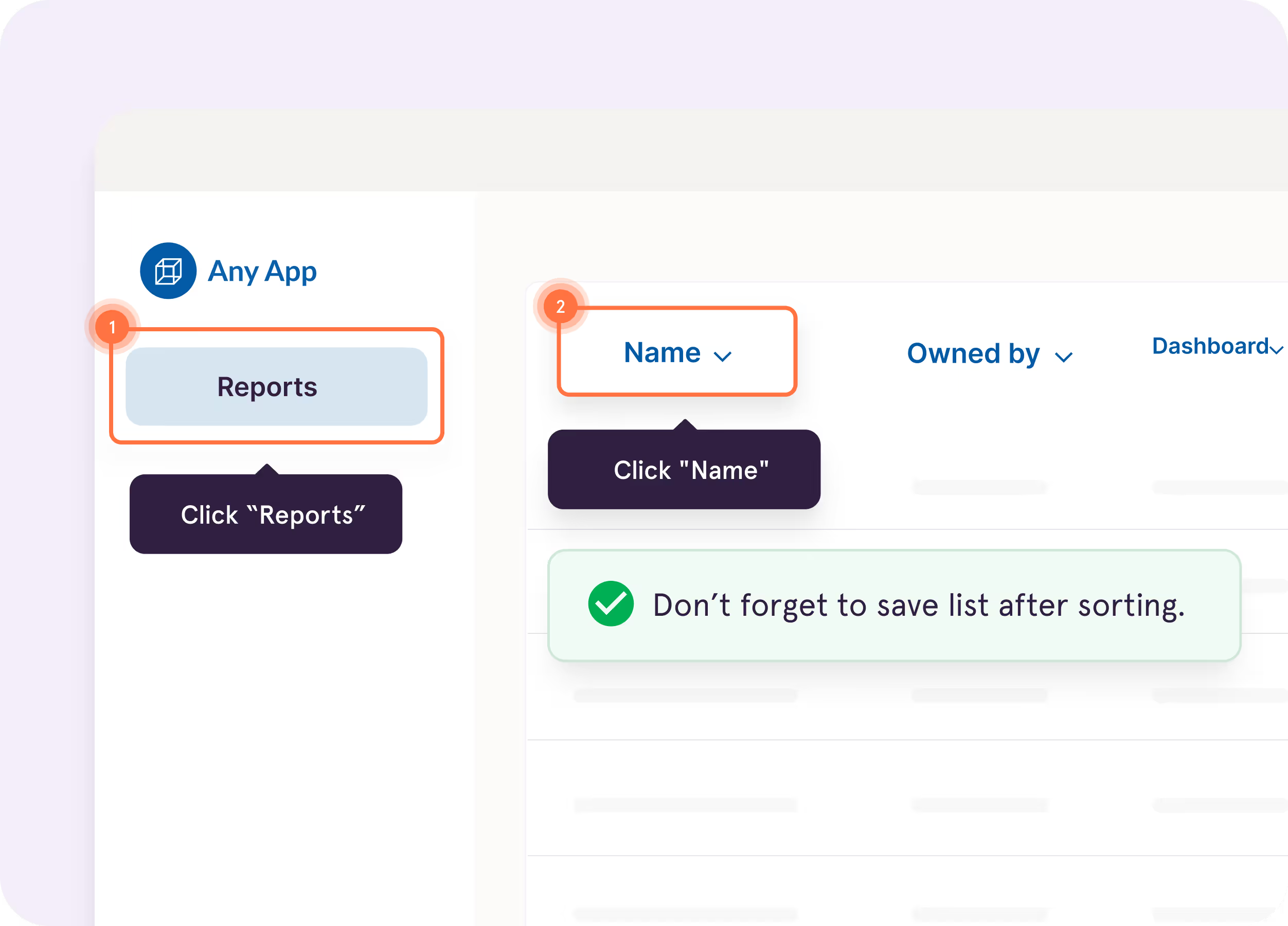
Guide Me

Deliver interactive, in-app guidance so teammates can complete processes with confidence.


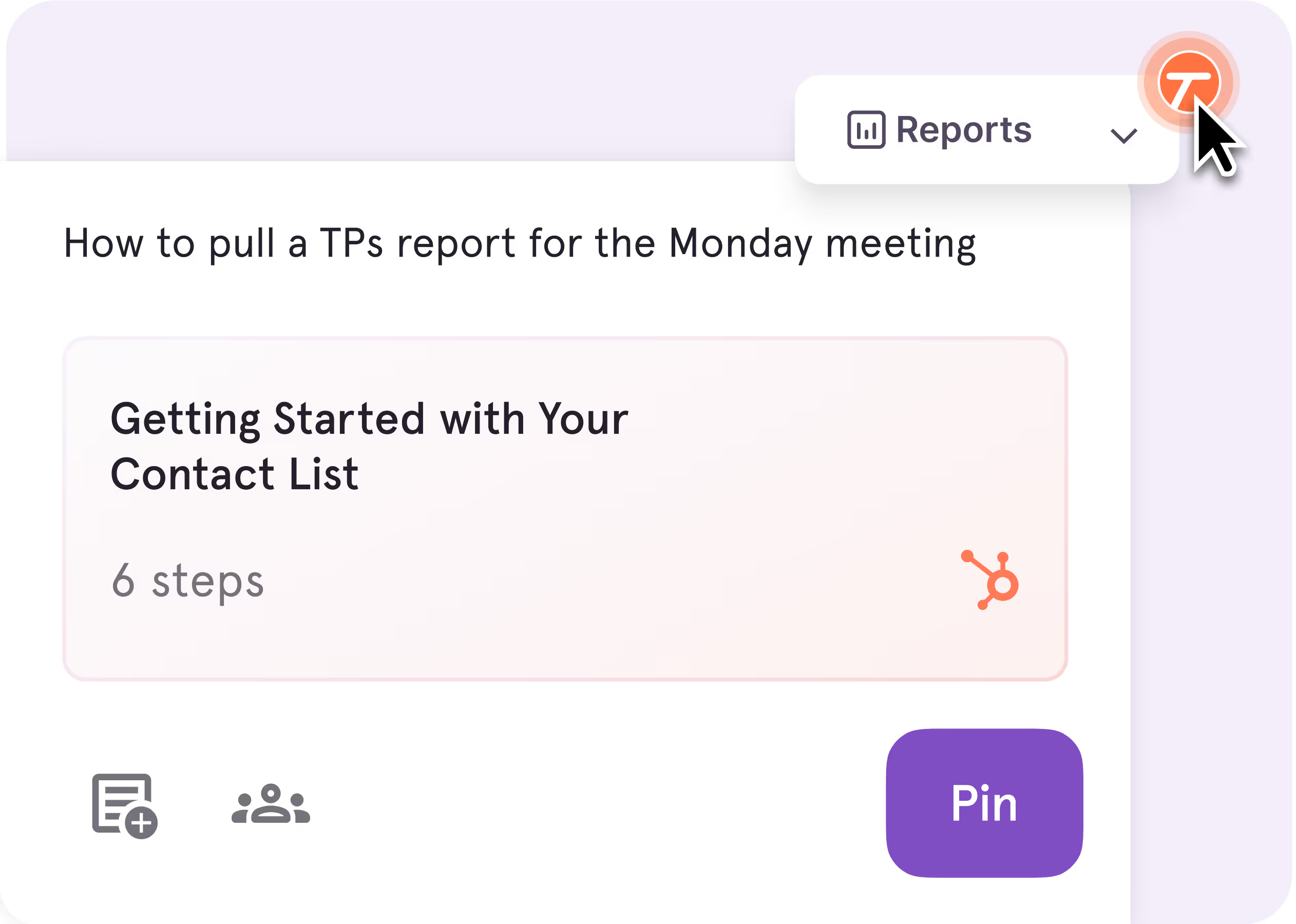
Pins
Pin guides, tips, and resources right where teammates get stuck, so help is always within reach.
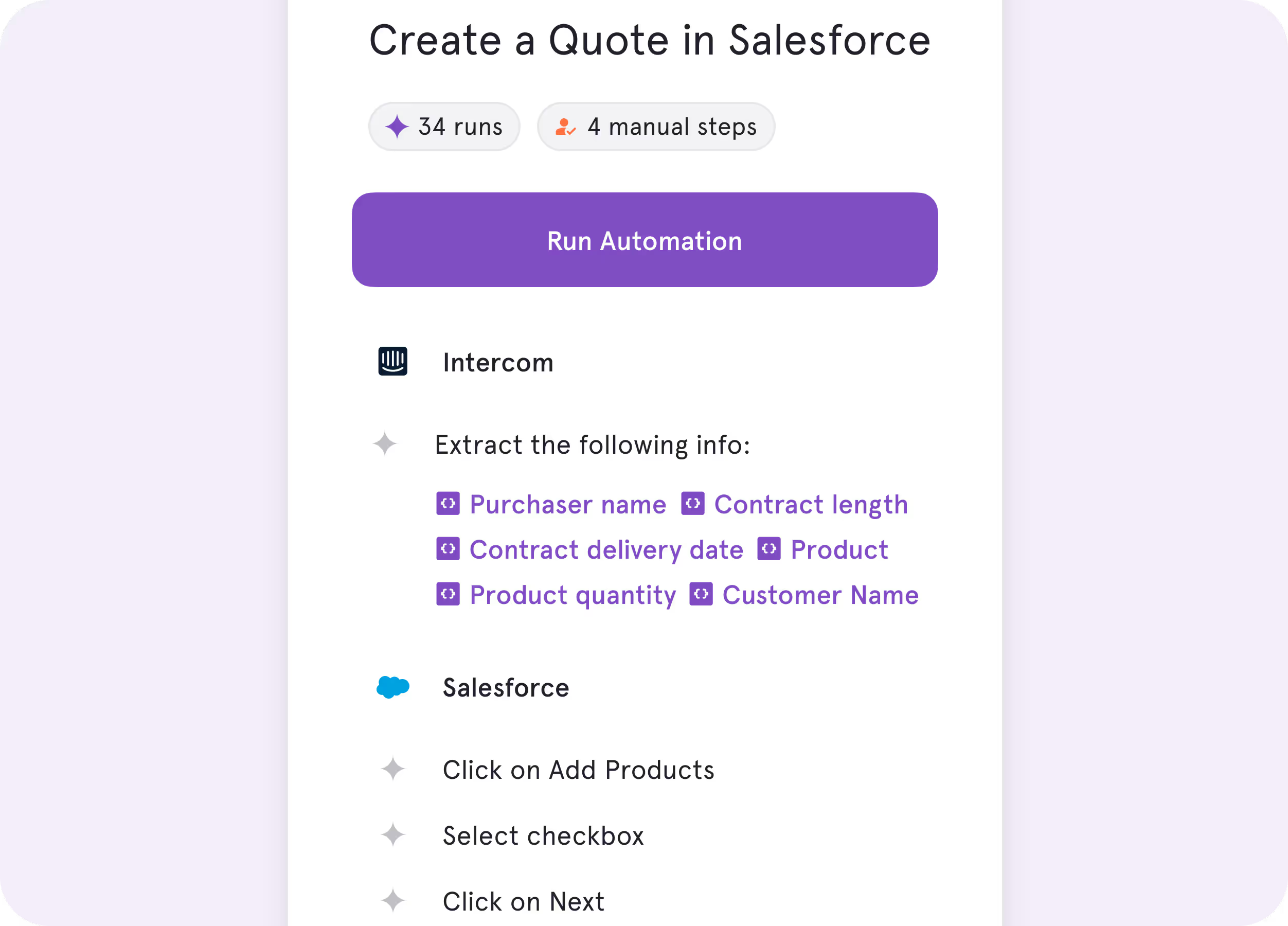
Tango Agents
Automate repetitive processes so teams spend less time on routine work and more time on what matters.


See for yourself
You need process documentation your team can reference and share.
Generate step-by-step guides

Turn recorded workflows into AI-generated documentation.

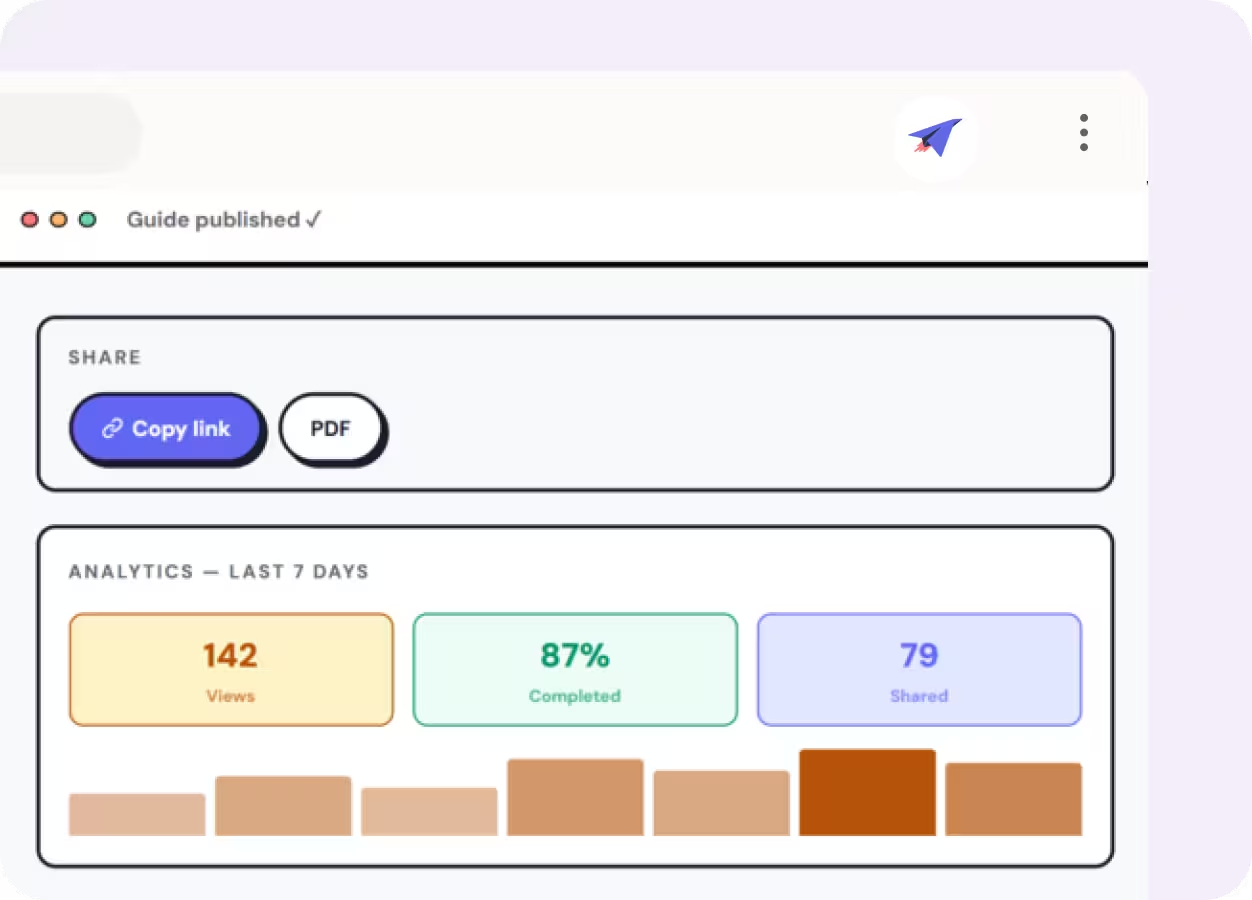
Share documentation
Access guides through links, knowledge bases, and exports.
Key Differences

Unique features
Share guides through links, embeds, and PDF exports. In-app walkthroughs require WalkMe rather than Haiku alone.
Interactive guidance delivered directly inside the software where work happens.

End user experience
Users open step-by-step guides when they need help.
In-app walkthroughs, tips, and embedded guidance help users complete work in real time.

What’s in it for you
Standardize documentation and make knowledge easier to access.
Improve process adoption, productivity, and software ROI with guidance delivered where people work.
to knowledge by 20% and employee satisfaction by 25%.
What do Tango and Haiku have in common?
Capturing Documentation
Automatically generate step-by-step guides with screenshots
Watch AI title your guide and add step descriptions
Editing Tools
Advanced editing to update steps and annotate screenshots
Automatically blur sensitive information
Customize documentation to follow your brand guidelines
Sharing
Set file and folder permissions
Invite others to edit and collaborate in a shared workspace
Share knowledge via link, embed code, HTML, Markdown, or PDF
Integrate your guides with 100s of tools (Confluence, Notion, SharePoint, etc.)
Access analytics to see who has viewed and completed your processes
Streamline your end user experience with single sign-on (SSO)
Protect your data with SOC 2 Type II compliance
.png)

processes on their first day with Tango—much faster than previous
cohorts without it.
The GPS for processes


With Tango, I get to make learning software feel like the Cadillac experience.
Chad, Customer Success Leader
See Tango’s
Software Knowledge Layer in action

Frequently asked questions
What is the difference between Tango and Haiku?

Tango and Haiku both capture workflows and automatically create step-by-step process documentation. The main difference is what happens after a guide is created. Haiku focuses on creating, organizing, and sharing documentation, while Tango also delivers interactive guidance directly inside the software where work happens through in-app walkthroughs and contextual Pins.
Is Tango a good alternative to Haiku?
Yes. Tango is a Haiku alternative for teams that want to create process documentation and help employees follow those processes as they work. In addition to automatically creating step-by-step guides, Tango delivers in-app walkthroughs and contextual guidance, with capabilities for Workflow Branching, automation, embeddable videos, and step-level analytics.
Does Haiku offer in-app walkthroughs?
Haiku creates step-by-step guides that can be shared through links, embeds, and exports. In-app walkthroughs require WalkMe rather than Haiku alone. Tango delivers interactive in-app guidance directly through Guide Me, with contextual Pins that surface additional help inside the applications employees use.
Which is better for process documentation, Tango or Haiku?
Both Tango and Haiku can automatically turn captured workflows into step-by-step process documentation. Haiku is designed for teams primarily looking to create, organize, and share documentation. Tango is designed for teams that also want to put that documentation into action with in-app guidance, workflow automation, branching, and analytics.
Can Tango and Haiku both create SOPs?
Yes. Both Tango and Haiku can capture workflows and turn them into step-by-step documentation that can be used for SOPs, training, and knowledge sharing. Tango also helps teams put SOPs into practice with in-app walkthroughs and contextual guidance that employees can access while completing the process.