Employee Training Methods Your Team Will Love (Part 4 of 4)

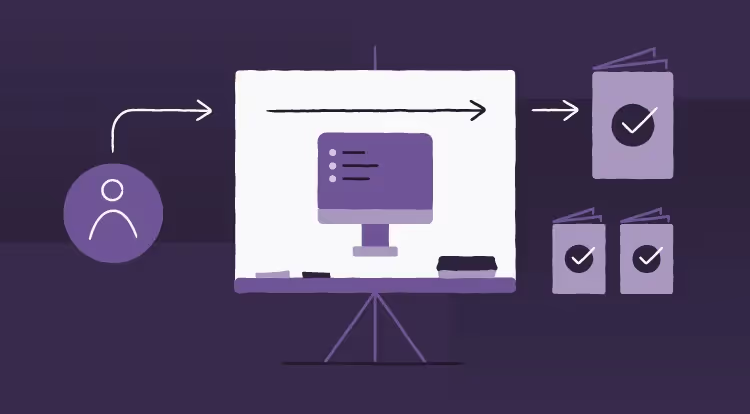
12 training methods later, and we’ve made it to the last part of this series! 🎉(Check out parts one, two, and three in case you missed them). To close out our list of favorite training methods, we’re covering:
Social learning
Unlike other job training examples on the list, this one doesn’t have much structure. Social learning relies on teammates sharing their resources and tips. You may have a knowledge champion or two who’s already freely sharing their tips with the team. ⭐
Start small by nudging your teammates to share tips or articles with the broader team. Seeing a few people share can encourage others to speak up, too.
As alluded to above, social learning can also help build a culture of knowledge sharing. You may be able to surface tips from your top performers and find new knowledge your teammates wouldn't have shared otherwise.
What to keep in mind: This can be another case of “easier said than done.” Speaking up can be intimidating for your teammates who are more introverted or shy. It can also become a distraction if your threads go off-topic or become a little too active during the workday.
You may also have teammates share tips that are outdated or conflict with your team’s established best practices. If this happens, do some digging to figure out the source and how to address the situation without embarrassing or discouraging people (who likely had the best intentions).

Peer learning
Peer learning is similar to mentoring, but a little different. Instead of learning from one senior teammate, you’ll get together with anyone on the team. This can include your direct teammates and those who have less experience than you.
It’s also similar to social learning, but follows more structure. Real life examples of peer learning include brainstorming sessions or problem solving meetings that benefit from many perspectives. Bringing multiple heads together can help spark new ideas and save time from figuring things out alone.
Peer learning can also help your team get comfortable with sharing their ideas and seeing the benefits in real-time. That’s another big step towards building a positive knowledge sharing culture. 💪
But these sessions can quickly become unproductive if they veer off-topic or if everyone is stuck on the same question. In these cases, loop in senior teammates or use other training methods. However, that may lead to even more schedules to coordinate.
Stretch assignments
A stretch assignment is a task or project that goes beyond your teammate’s current experience.
This can challenge top performing teammates and gives them hands-on opportunity to grow. Coaxing them out of their comfort zone can level up their problem solving skills and build confidence when tackling new assignments.
You may have people on your team who can benefit from a stretch assignment. For example, if your senior IT specialist is excited to grow into a leadership position, you can see if they’d like to lead an upcoming project.
What’s the shadow side of a stretch assignment? People may feel overwhelmed or burnt out if they aren’t prepared or supported well. Internal or external pressure and a high risk of failure may cause stress. And diving in head first may feel like a nightmare for those who prefer more structured learning environments.
Cross-training
Cross-training helps teammates learn skills from other teams. It can help everyone work seamlessly when someone calls out for the day or when a promotion leaves a gap in your team. Cross-training can also expose teammates to other roles or departments.
This type of workplace training can help teams work better or uncover friction between them. 🤔
For example, sales and marketing teams have different skills, but need to work together closely to achieve business goals. Cross-training people on these two teams can help everyone understand the customer journey more deeply.
However, you can run into issues when cross-training your team. Without structure, cross-training can lead to confusion or overworked teams. Teammates may be assigned more work than they can handle or accidentally overstep on other people’s toes. It also takes lots of resources to successfully coordinate cross-team trainings.
The TL;DR? Cross-training also isn’t for everyone. It may push some team members into tasks that don’t align with their goals or strengths.
How to pick the best employee training methods for your team
Some teams may prefer tackling an e-learning program, while others like more structure with instructor-led training. It’ll take some research and check-ins to find what method works best for each topic (and each person).
Here are questions you can ask yourself when narrowing down the best employee training methods for your team:
- What’s the goal of this training?
- Who’s my intended audience?
- What are my budget and time constraints?
- Who will deliver this training?
- How much time do learners and trainers have to dedicate to training?
- Will they learn remotely, in person, or a mix of both?
- How can I combine training methods and resources for the best results?
- How do the people on my team prefer to learn?
- How can I cut down on interruptions and impromptu requests to share screens?
- How can I empower people to get unstuck and find answers fast, in the flow of work?
- What processes do I need to make sure our documentation and training resources stay synced and up to date?
- Do we have a documentation tool that can quickly help me create great training documentation that my team will actually like using—and help them get stuff done?
- How will I measure this training method’s success?
- Does this ultimately drive process adoption across tools?

FAQ



Next time someone asks, “how do I…?” Send a Tango.
Start capturing your first workflow today.